连衣裙是一种将上衣和裙子合为一体的单品,兼具实用性与美观性,在时尚领域占据重要地位。以下从定义特点、风格分类、面料选择、搭配技巧、文化历史等方面为你详细介绍:
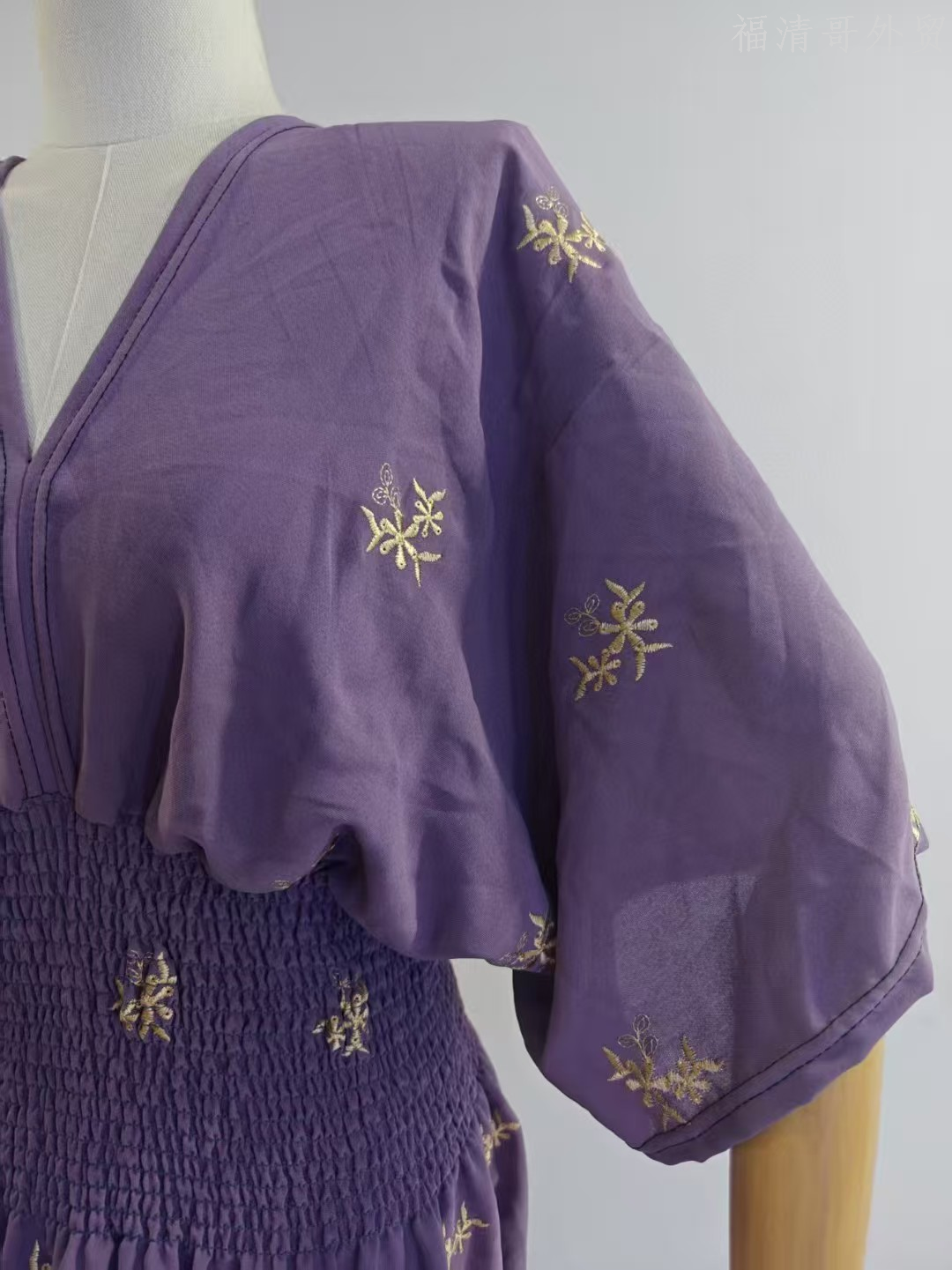
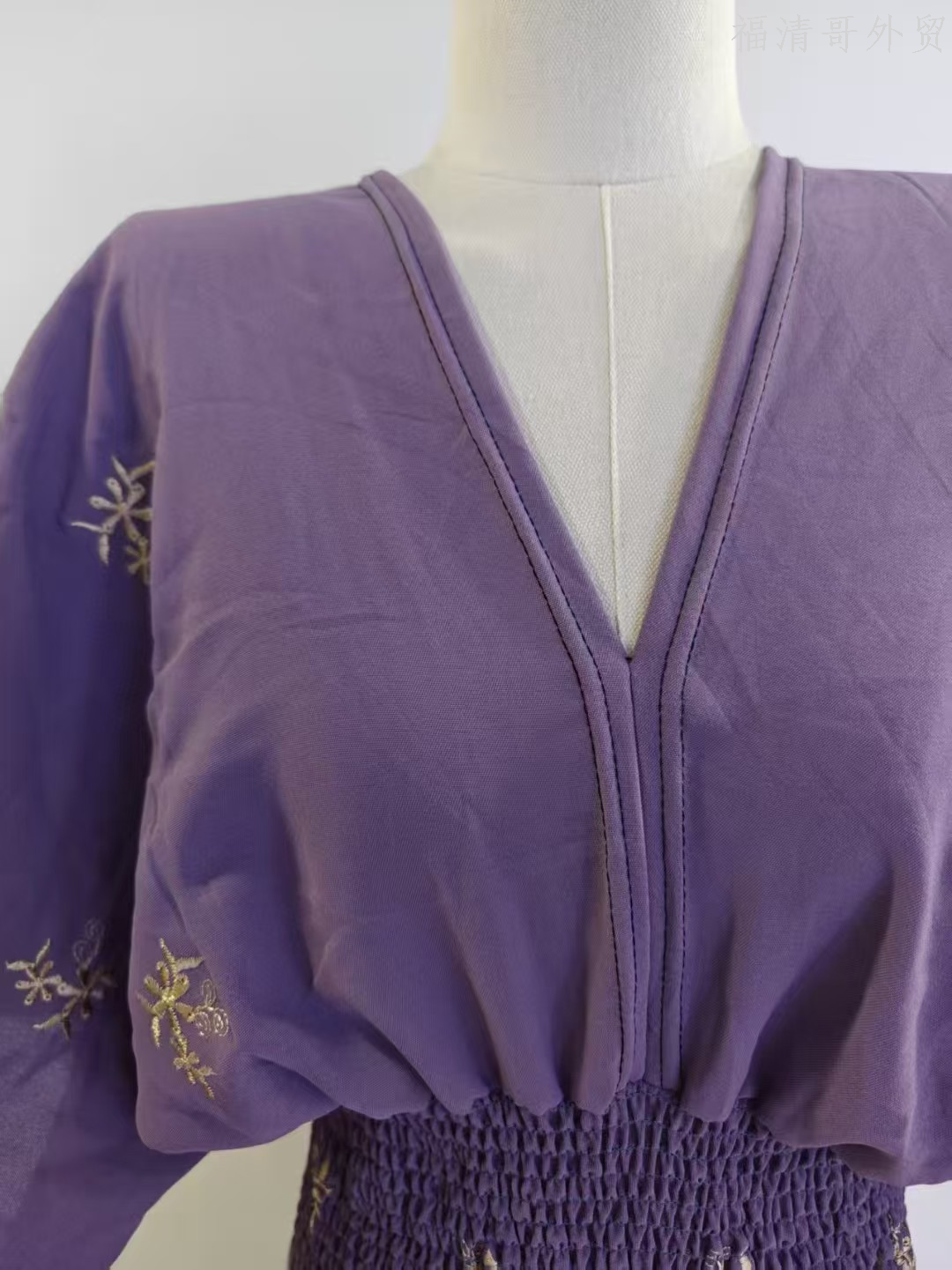
连衣裙(Dress)是一件式服装,上半部分为衣身(覆盖胸部至腰部),下半部分为裙摆,通过剪裁和设计形成连贯整体。
-
核心优势:
-
穿搭便捷:无需搭配上下装,省时省力,适合快节奏生活。
-
修饰身形:通过腰线、裙摆、领口等设计优化身材比例,如收腰凸显曲线、A 字裙摆遮胯显瘦。
-
场景百搭:从日常休闲到正式场合,通过面料和版型切换风格,适配度极高
A dress is a one-piece garment consisting of a top half (covering the torso) and a skirt, seamlessly combined to create a cohesive and versatile outfit. Loved for its simplicity and elegance, it has been a staple in fashion for centuries, adapting to cultural trends, functional needs, and individual styles. Below is a detailed overview of its key features, styles, fabrics, styling tips, and historical evolution.
-
One-Piece Convenience: Eliminates the need to match separate tops and bottoms, offering effortless dressing for various occasions.
-
Body-Shaping Design:
-
Waistlines: Defined or empire waistlines create flattering proportions.
-
Silhouettes: From form-fitting to flowy, designed to enhance or camouflage different body types.
-
Versatility: Easily transitions from casual to formal with changes in fabric, length, and accessories.



 kefu@yiwugo.com